
From Drift to Certainty: How Torque Sensor Calibration Prevents Measurement Errors
Maintaining Accuracy and Reliability in Force Measurement Systems
Load cells are fundamental instruments for measuring force in applications ranging from manufacturing and material testing to aerospace development and industrial automation. Whether used in compression, tension, or structural load monitoring systems, load cells deliver the precision necessary to ensure safe and reliable operations. However, even the most accurately engineered load cell can experience performance drift over time due to temperature changes, mechanical fatigue, or electrical variations. Routine calibration is essential to maintain consistent measurement accuracy and system reliability.
Why Load Cell Calibration Matters
Load cells operate on strain gaging technology, detecting tiny deformations caused by applied forces. These deformations create changes in electrical resistance, which are converted into measurable signals. While this sensitivity enables high precision, it also makes load cells vulnerable to subtle performance shifts. Environmental factors, repeated mechanical loading, vibration, and component aging can all lead to measurement drift. Professional calibration services ensure that a load cell’s output remains aligned with recognized reference standards. Using controlled procedures and precision equipment, calibration evaluates linearity, repeatability, and overall sensor performance. Certified force sensor calibration services help organizations detect deviations early, preventing errors from affecting production, testing, or research. Performing calibration in a NIST-traceable calibration laboratory adds traceability, linking measurements to national standards and providing documented assurance of measurement integrity.
Calibration involves applying known reference loads across a load cell’s full operating range and comparing the sensor’s output to these precise standards. Technicians examine multiple performance characteristics, including linearity, hysteresis, zero balance, and repeatability, while also calculating measurement uncertainty. Each step is documented, producing a traceable calibration certificate that can support internal quality systems, regulatory compliance, and audit requirements. This process not only verifies current performance but also identifies potential issues that could affect future measurements. Routine calibration ensures that load cells remain accurate, reliable, and consistent across all operational conditions.
Benefits of Routine Load Cell Calibration
Regular calibration provides tangible benefits for both laboratory and industrial operations. It reduces the risk of measurement errors, improves process control, extends equipment lifespan, and ensures compliance with internal and external quality standards. Accurate load measurements also help prevent safety incidents, product failures, or material waste caused by inaccurate force readings. Calibration strengthens confidence in measurement data. Engineers, technicians, and quality managers can rely on results when performing testing, validation, or process control. With traceable documentation, organizations can demonstrate adherence to industry standards, supporting audits and regulatory compliance.
The frequency of load cell calibration depends on several factors, including the type of application, load intensity, environmental conditions, and regulatory requirements. High-usage, safety-critical, or high-precision systems may require semiannual or quarterly calibration, while less demanding applications may only need annual verification. Establishing a structured calibration schedule ensures consistent measurement accuracy, minimizes drift, and supports reliable operation over time.
Long-Term Reliability Through Calibration
Load cell calibration should be viewed as an ongoing investment in measurement accuracy and operational efficiency. Integrating routine calibration into a facility’s quality program helps extend equipment life, detect performance issues early, and maintain confidence in every measurement collected. By combining routine verification with traceability to national standards and professional laboratory testing, organizations can safeguard operational reliability, compliance, and measurement integrity. Utilizing force sensor calibration services in a NIST-traceable calibration laboratory ensures that every load cell measurement is accurate, documented, and traceable, supporting high-quality outcomes across all applications.
Industry Insights
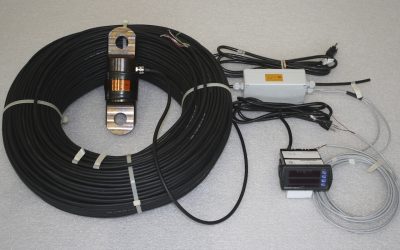
Common Causes of Torque Sensor Drift and How Calibration Fixes It
Understanding Environmental and Mechanical Factors That Affect Accuracy...
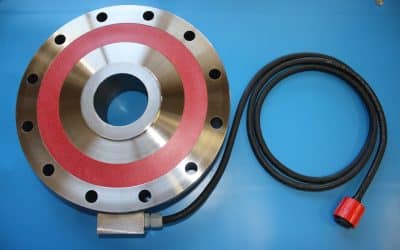
Why Custom Load Cell Manufacturing Matters in Specialized Applications
Why Custom Load Cell Manufacturing Matters in Specialized Applications...
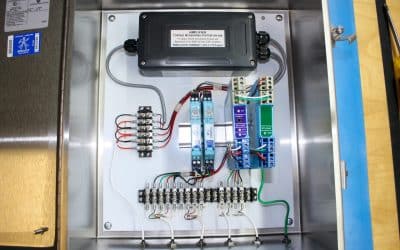
How Environmental Conditions Affect Strain Gauge Accuracy
Understanding the Impact of Temperature, Moisture, Vibration, and Fatigue...